
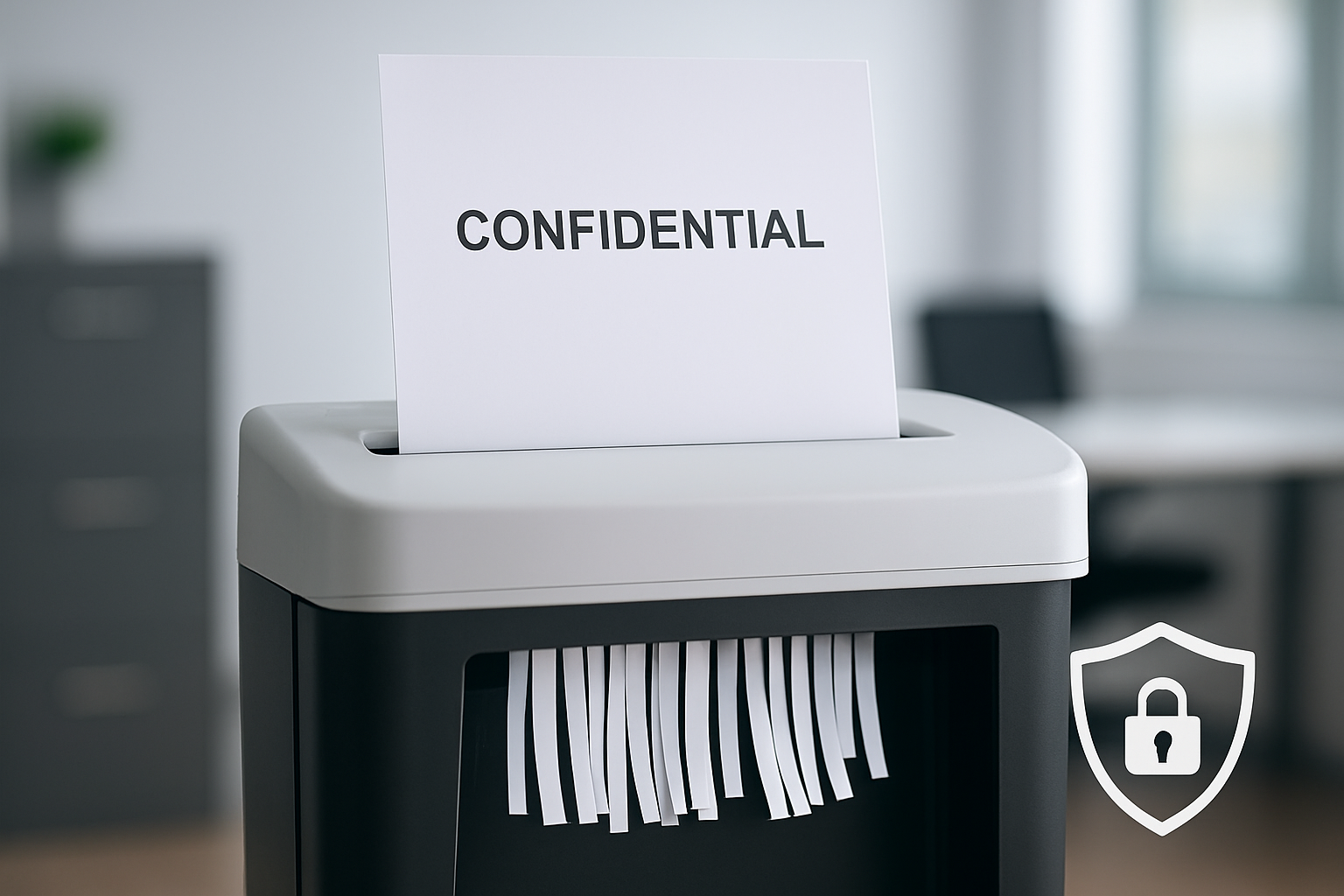
Protecting sensitive information isn’t just a priority—it’s a legal requirement. Regulated industries like healthcare, finance, legal services, and government are under constant pressure to manage vast amounts of confidential information responsibly. When data is no longer needed, secure Information Destruction becomes essential to prevent breaches, maintain compliance, and protect organizational reputation.
With cyberattacks on the rise and strict regulatory requirements such as HIPAA, GDPR, and SOX, organizations must adopt strong information destruction practices. This article explores the importance of information destruction, common challenges, and the best practices regulated industries should follow to stay compliant and secure.
Understanding Information Destruction
Information Destruction is the systematic process of permanently disposing of data so it cannot be reconstructed or retrieved. It applies to both physical and digital records.
Types of Information That Require Destruction
- Physical Documents: Medical records, legal contracts, financial statements.
- Digital Data: Emails, databases, customer records, financial data.
- Hardware & Devices: Hard drives, USBs, servers, and smartphones containing sensitive information.
When done correctly, information destruction safeguards privacy, reduces liability, and ensures compliance with industry regulations.
Why Information Destruction Matters in Regulated Industries
Legal Compliance
Laws like HIPAA (healthcare), GDPR (global data privacy), and GLBA (finance) mandate secure disposal of confidential data. Non-compliance can result in massive fines.
Data Security
Unauthorized access to unprotected data can lead to identity theft, fraud, and corporate espionage.
Reputation Management
A single data breach can destroy customer trust and damage an organization’s credibility.
Risk Reduction
Proper destruction eliminates risks of data leakage from old files, unused servers, or outdated devices.
Best Practices for Information Destruction
Develop a Clear Policy
Every organization should create a written Information Destruction Policy that outlines procedures for handling, storing, and destroying sensitive information.
Classify Information
Not all data requires the same level of protection. Categorize information (confidential, restricted, public) to determine the right destruction method.
Use Industry-Approved Destruction Methods
- Shredding: For paper documents, cross-cut shredders provide higher security.
- Degaussing: Erases magnetic fields in hard drives.
- Incineration: Securely destroys bulk paper and outdated hardware.
- Data Wiping: Overwrites digital files to make them unrecoverable.
- Physical Destruction: Crushing or pulverizing devices like hard drives.
Partner with Certified Vendors
Outsourcing to professional shredding and data destruction services ensures compliance and provides certificates of destruction for audit trails.
Implement Chain of Custody
Track sensitive information from creation to destruction with strict access controls, logging, and audits to prevent mishandling.
Train Employees Regularly
Employees are often the weakest link in data security. Regular training on safe handling and destruction procedures minimizes human error.
Automate Data Retention Schedules
Use software solutions to automatically delete or archive digital data after retention periods, reducing the risk of outdated files being mishandled.
Maintain Audit Trails
Document destruction activities to prove compliance during inspections or audits.
Common Mistakes to Avoid in Information Destruction
- Storing outdated documents longer than legally required.
- Using low-security shredders that leave data vulnerable.
- Discarding electronic devices without proper wiping.
- Relying solely on internal staff without certified oversight.
- Ignoring employee awareness and training.
Industry-Specific Considerations
Healthcare (HIPAA Compliance)
Medical records must be destroyed beyond recovery. Healthcare providers should use cross-cut shredders and certified data destruction vendors.
Finance (GLBA & SOX Compliance)
Financial institutions must protect client financial data, often requiring encrypted wiping for digital files and secure shredding for paper records.
Legal Services
Law firms handle sensitive contracts, case files, and privileged communications. Proper destruction prevents leaks and protects client confidentiality.
Government & Defense
Government agencies often require the highest levels of destruction, such as incineration or physical destruction of classified materials.
The Role of Technology in Secure Information Destruction
AI and automation are enhancing data destruction efforts:
- Automated Data Wiping Software: Ensures files are permanently erased.
- Blockchain Records: Provides immutable proof of destruction for compliance.
- IoT-Connected Shredders & Safes: Real-time monitoring of destruction activities.
Building a Culture of Compliance
Ultimately, information destruction is not just a technical task but a cultural commitment. Organizations should:
- Promote awareness about data security.
- Regularly review policies to match regulatory changes.
- Encourage reporting of potential risks.
- Reward compliance and vigilance among employees.
Conclusion
In regulated industries, secure Information Destruction is more than a best practice—it’s a necessity. From legal compliance to protecting customer trust, organizations cannot afford to take shortcuts in how they dispose of sensitive data. By developing clear policies, using certified vendors, and adopting modern destruction technologies, businesses can safeguard themselves against risks while maintaining compliance.
The future of secure workplaces depends on organizations building a culture of data security—where information destruction is a routine, reliable, and regulated process.